
Chronicles
1 October 2026
People 55 and Older Do Not Always Express Their Need for Well-Being
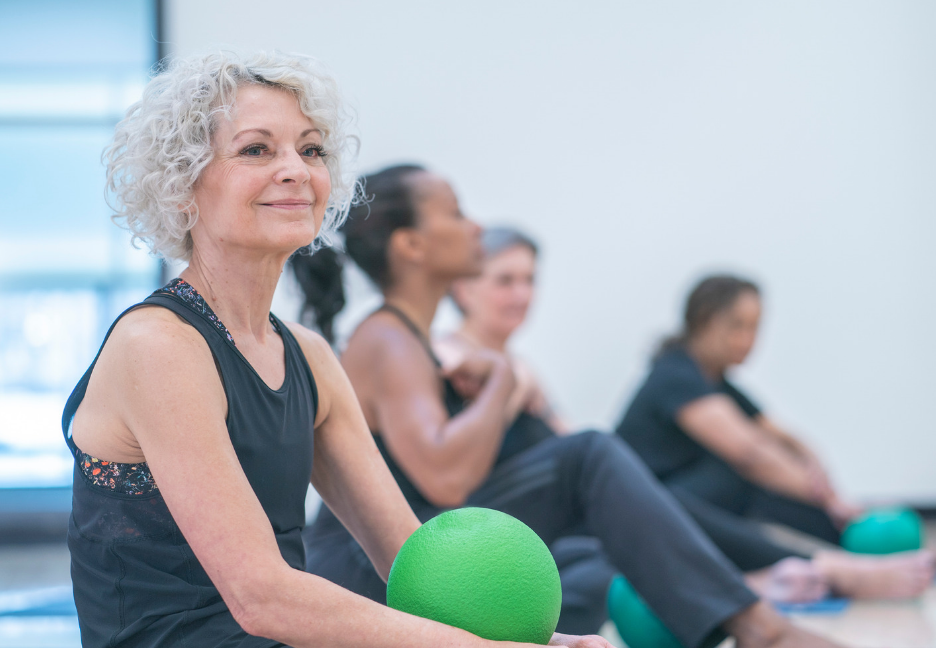
They make an appointment for muscle tension, less restorative sleep, persistent fatigue, digestive discomfort, or simply because they want to take better care of themselves. But behind what may appear to be a very specific concern, there can sometimes be a broader need: to be heard, regain a sense of direction, navigate a transition, or simply have a space where they can set down some of what they are carrying. For complementary medicine practitioners, clients aged 55 and over therefore invite us to look at the whole person.
Adults aged 55 and over represent a unique and important clientele for wellness practitioners. Many want to remain active, independent, and healthy for as long as possible. They seek approaches that can help them maintain their quality of life and often place considerable importance on prevention.
Yet this stage of life also brings its share of transitions. Retirement, children leaving home, changes in family roles, bereavement, declining physical abilities, new responsibilities toward an aging parent, financial changes, or a reassessment of priorities can profoundly transform everyday life.
And these upheavals are not always expressed directly.
Positive Perceptions of Health… and Real Vulnerabilities
The data paint a nuanced picture. A large majority of older adults report a positive perception of their mental health. In Canada, more than 62.5% of people aged 65 and over consider their mental health to be excellent or very good.
This positive perception is important. It reminds us that aging is not synonymous with psychological fragility and that most older adults develop coping strategies that allow them to maintain a good sense of balance.
At the same time, studies estimate that approximately 1 in 10 people experience anxiety or depressive symptoms of varying intensity. Loss, isolation, physical changes, and concerns about the future can gradually affect well-being.
For practitioners working with this clientele, the challenge is therefore to avoid two pitfalls: not automatically considering someone over 55 to be vulnerable, while also not overlooking suffering that may be expressed in less obvious ways.
When the Body Becomes the Messenger
In many complementary practices, the body is the starting point. A person sees a massage therapist because they are experiencing tension. They meet with a kinesiologist because they want to regain mobility. They consult a naturopath to improve their lifestyle or sleep. They see an osteopath for discomfort that is interfering with everyday life.
The initial concern is real and deserves to be taken seriously. But as the conversation unfolds, other elements may emerge: “Since I retired, I haven't been sleeping as well.” “Since my partner died, I don't feel like going out anymore.” “I'm caring for my mother and I'm exhausted.” “I don't recognize my body anymore.”
The practitioner does not need to interpret or diagnose what lies behind these words. Their role, however, can include listening, recognizing certain signs, and knowing when a referral to another professional may be appropriate.
This ability to listen is an integral part of a truly holistic approach to the individual.
Loneliness Is Not Always Visible
Social isolation is one of the factors that can increase vulnerability to mental health challenges with age. A person can live alone without feeling lonely, while another may be surrounded by family and friends and still experience a profound lack of connection.
For professionals who see their clients regularly, certain changes may be meaningful: someone who is usually sociable begins withdrawing, loses interest in activities they once enjoyed, experiences unusual fatigue, shows less motivation, or feels they no longer have anything to look forward to.
Again, the goal is not to label every change or turn every shift in behaviour into a mental health problem. It is simply about remaining attentive to the person sitting in front of you. Sometimes, being genuinely heard is already a form of support.
Major Transitions After 55
Supportive counselling can also play an important role when a person is going through a period of transition. Retirement, for example, is often portrayed as a time of freedom. And it certainly can be. But it can also disrupt identity, routines, and a person's sense of purpose. For decades, someone may have been defined by their profession, responsibilities, and family role. Then, almost overnight, those reference points change. The same can happen following bereavement or when physical abilities decline.
For some people, the real challenge is not simply adapting to change, but answering a much deeper question: “What is my place now?”
Complementary medicine practitioners may witness these periods of transformation, particularly when they accompany clients over several months or even years.
Three Needs to Keep in Mind
When taking a holistic approach to aging, three psychological needs deserve particular attention: security, self-esteem, and meaning.
The need for security can be shaken by changes in health, loss of independence, financial concerns, or fear of the future. Self-esteem can be affected when the body changes, certain activities become more difficult, or a professional role comes to an end. Someone who has always been independent may find it difficult to suddenly need help.
As for the need for meaning, it can take on new importance when the major roles in life begin to change. These three dimensions can influence sleep, motivation, physical activity, eating habits, and, more broadly, the way a person takes care of themselves.
An Interdisciplinary Approach Makes Sense
This is precisely where the diversity of complementary medicine practitioners becomes an asset. The naturopath, kinesiologist, massage therapist, osteopath, counsellor, or other practitioner may each observe a different aspect of the same person.
One may notice persistent fatigue. Another may observe a decline in mobility. Someone else may hear about grief or growing loneliness. Another may support the person as they reflect on their lifestyle habits.
No single professional has all the answers. Quality care also depends on recognizing the limits of one's scope of practice and referring the client when the situation calls for it.
This kind of complementarity keeps the client at the centre rather than treating each concern as an isolated problem.
The Valuable Role of Human Connection
For someone aged 55 and over, a wellness appointment can sometimes represent much more than simply another appointment. It is a moment when someone takes the time to listen. A space where the person can talk about sleep, their body, lifestyle habits, but also their concerns, changes, and plans for the future.
In a world where appointments are often short and conversations focused on a specific problem, this quality of presence can be particularly meaningful. It obviously does not replace a medical diagnosis or psychological care when either is needed. Rather, it fits within a complementary vision of health in which physical, psychological, social, and emotional well-being are viewed as interconnected dimensions.
Being Attentive Without Becoming Everything to Everyone
For complementary medicine practitioners, the goal is not to become a psychologist, social worker, or physician. Rather, it is to develop a culture of listening and appropriate referral.
A few simple questions can open the conversation without becoming intrusive:
“How are you coping with the changes that have happened recently?”
“Does your everyday life still bring you as much satisfaction as it used to?”
“How have you been sleeping?”
“Do you have enough support around you?”
“What is concerning you the most right now?”
These questions are not intended to establish a diagnosis. They simply help practitioners better understand the person and, when necessary, encourage them to seek appropriate support.
Supporting the Person and Connecting Them With the Right Resources
For adults aged 55 and over, a wellness appointment may begin with a physical concern and lead to a much broader conversation about life. This is where a truly holistic approach to health takes on meaning.
Listen without judging. Observe without interpreting. Respect the limits of your professional scope. Recognize signs that may require a referral. Work collaboratively with other professionals.
For complementary medicine practitioners, these principles make it possible to respond to an increasingly important reality: health is not simply the absence of illness. It also involves feeling safe, connected, useful, independent, and aligned with the life one is living.
And sometimes, behind the person who comes in simply because of “an ache,” poor sleep, or low energy, there is also someone quietly looking to regain a sense of balance.